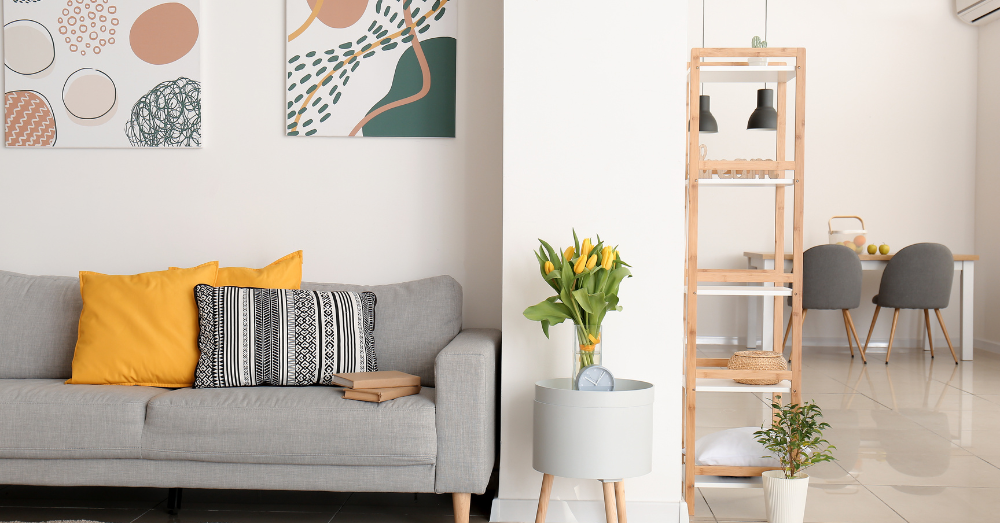
If you’ve ever felt the urge to swap out your throw pillows when leaves start falling or add extra blankets when temperatures drop, you’re responding to something deeper than decorating trends. The way we adapt our living spaces to seasonal changes goes beyond aesthetics, it’s rooted in practical needs driven by climate patterns and daylight shifts.
- Temperature and daylight data shows why certain textiles and colors work better in specific seasons
- Cities across different climate zones require vastly different approaches to seasonal decorating
- Small changes in textiles and accessories can significantly impact your comfort and energy efficiency
Living through four distinct seasons means your home faces dramatically different conditions throughout the year. Take Minneapolis, where winter temperatures average 16 degrees Fahrenheit in January, compared to summer highs reaching 83 degrees in July. That’s a 67 degree swing your home, and you, need to adapt to. Meanwhile, someone in Charleston experiences winter lows around 43 degrees and summer highs near 89 degrees, while Cincinnati, Ohio sits somewhere in the middle with winter temperatures ranging from 24 to 36 degrees and summer peaks hitting 86 degrees. These three cities perfectly illustrate how different climate zones across America require completely different approaches to seasonal decorating.
These temperature variations tell us exactly why seasonal decorating makes practical sense. When Minneapolis residents face those brutal sub freezing temperatures and reduced daylight (with December bringing just 101 hours of sunshine), heavier textiles become necessary for both physical warmth and psychological comfort. Charleston’s mild winters, where temperatures rarely drop below freezing, call for lighter seasonal transitions focused more on color and texture than thermal properties.
Working With Nature’s Temperature Swings
Your location’s climate data should guide every seasonal decorating decision you make. In Minneapolis, where winter brings an average of 11.4 inches of snow in December alone, you need serious insulation strategies. Think velvet curtains that block drafts, wool area rugs that insulate floors, and flannel or fleece throw blankets on every seating surface. These choices aren’t just about looking cozy, they’re about surviving temperatures that can plunge to minus 30 degrees.
Charleston residents face different challenges. With humidity levels hovering between 50 and 65 percent year round and summer bringing frequent afternoon thunderstorms, materials need to breathe. Cotton and linen fabrics work year round here, with seasonal changes focusing more on weight and weave than material type. During Charleston’s hot summers, when temperatures consistently hit the upper 80s with high humidity, lightweight cotton sheers and bamboo blinds help manage both light and airflow.
Cincinnati offers an interesting middle ground. With summer temperatures reaching the mid 80s and winter lows dropping to the mid 20s, homes here need versatile solutions. Layering becomes key, using medium weight curtains that can be paired with thermal liners in winter, then used alone in summer. Area rugs that warm hardwood floors from November through March can be rolled up and stored when temperatures climb above 70 degrees in May.
The Daylight Factor Most People Ignore
Temperature gets all the attention, but daylight hours dramatically impact how your space feels and functions. Minneapolis receives 277 hours of sunshine in June but only 101 hours in December. That’s a massive difference that affects everything from your mood to your electricity bill. During those dark winter months, warm toned lampshades, amber colored throw pillows, and brass or copper accents help compensate for the lack of natural light by creating a warm glow with artificial lighting.
Charleston enjoys about 209 sunny days annually, fairly evenly distributed throughout the year. This consistent sunshine means color choices can be bolder year round. Bright whites and cool blues that might feel stark in Minneapolis’s grey winters work beautifully in Charleston’s sun drenched rooms. The key here becomes managing too much light and heat rather than compensating for its absence, hence the popularity of plantation shutters and adjustable blinds in Southern homes.
Cincinnati experiences moderate sunshine variations, with summer bringing significantly more daylight than winter. Smart decorating here means using reversible elements, like cushion covers with a sunny pattern on one side and a cozy texture on the other, or artwork that can be rotated seasonally to reflect changing light conditions.
Textile Transitions That Actually Make Sense
Forget the generic advice about “switching to lighter fabrics in summer.” Real seasonal textile changes should respond to your specific climate data. In Minneapolis, the transition from winter to spring means gradually reducing thermal mass, replacing that heavy wool blanket with a cotton quilt around April when average temperatures climb above 50 degrees. By July, when humidity increases along with temperature, moisture wicking materials like linen and lightweight cotton become necessary.
Charleston’s textile transitions are subtler. Spring (March through May) might mean switching from medium weight cotton to lighter percale weaves. The real change comes with hurricane season (June through November), when quick drying, mildew resistant fabrics become practical choices for a climate that can swing from sunny to stormy in hours.
Cincinnati homeowners should time textile changes to their dramatic seasonal shifts. When October temperatures drop from the 60s to the 40s, it’s time to layer in texture with knit throws, velvet pillows, and heavier curtains. Come May, when temperatures jump back into the 70s, these can be packed away in favor of breathable cottons and linens.
Color Psychology Meets Climate Reality
While color psychology suggests warm tones for winter and cool tones for summer, climate data provides more specific guidance. In Minneapolis’s long, dark winters, jewel tones like deep emerald and sapphire can actually energize a space more effectively than traditional warm browns and oranges. These rich colors maintain their vibrancy under artificial light, something you need when you’re dealing with just 4.1 hours of sunshine in February.
Charleston’s abundant sunshine allows for a different approach. Soft pastels that might wash out in Minneapolis’s grey winters pop beautifully in Charleston’s clear light. The city’s 230 days of annual sunshine mean you can use reflective metallics and glossy finishes year round without worrying about them looking dull.
Cincinnati’s variable light conditions call for adaptable color strategies. Neutral base colors like warm greys, soft beiges, and sage greens work year round, with seasonal color coming through easily changeable accessories. This approach makes sense when you’re dealing with everything from December’s 101 sunshine hours to June’s 277 hours.
Small Changes, Big Impact
You don’t need a complete overhaul four times a year. Strategic changes based on climate data can transform your space efficiently. For Minneapolis winters, adding a draft stopper to doors (a $10 investment) can make rooms feel noticeably warmer. Charleston summers benefit from ceiling fan direction changes, with counterclockwise rotation in summer pushing cool air down. Cincinnati’s variable climate responds well to adjustable window treatments that can be fine tuned as temperatures fluctuate.
The most successful seasonal decorating acknowledges that we’re doing more than making our homes look different, we’re helping them function better in changing conditions. By understanding your local climate patterns and daylight variations, you can make informed decisions about when and how to adapt your space. Your home becomes prettier, more comfortable, more energy efficient, and more psychologically supportive through every season.
Making Your Home Work Smarter, Not Harder
Seasonal decorating guided by actual climate data transforms from a luxury into a practical necessity. Whether you’re bundling up against Minneapolis’s arctic blasts, managing Charleston’s humid summers, or navigating Cincinnati’s dramatic seasonal swings, understanding your local weather patterns helps you make smarter decorating choices. Start with your most extreme season, whatever challenges you most, and build your decorating strategy from there. Your comfort, energy bills, and overall well being will thank you for paying attention to what the thermometer and sunrise times are telling you.
