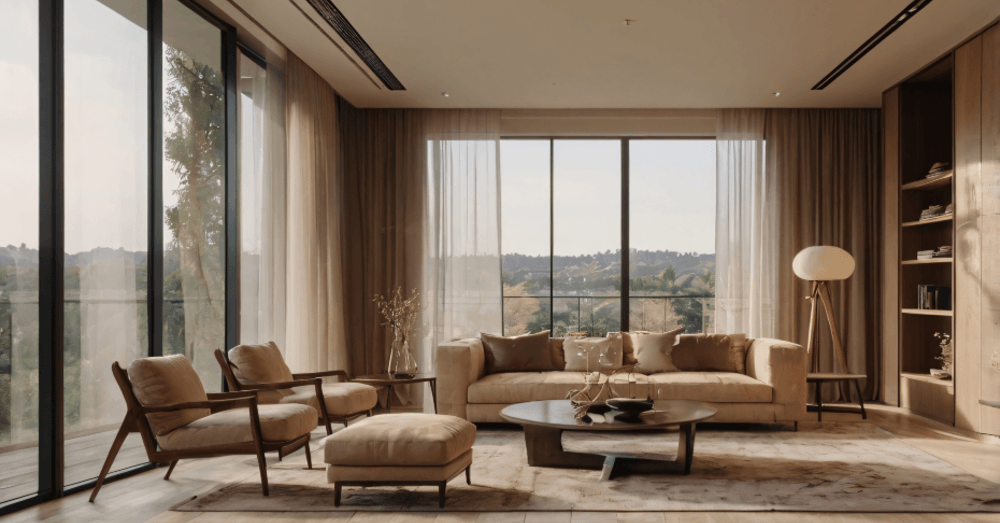
Homes in 2026 are starting to feel less like staged showrooms and more like places to actually rest. Across furniture, design, and renovation conversations, one idea keeps surfacing: wellness. And no, that doesn’t mean buying a diffuser or painting one wall sage green. It means shaping rooms that ease daily friction, calm the senses, and help people feel better in their own space.
- Wellness has become the lens people use to judge whether a room works, not just how it looks.
- Warmer palettes, natural textures, and soft silhouettes are replacing cold, all-white minimalism.
- Smart comfort and durable, sustainable materials now help close the sale on furniture.
How Wellness Became the Biggest Design Story of the Year
The popularity of wellness-focused design reflects a bigger shift in how we live. Our homes are now expected to do more than ever before. They host work, rest, guests, focus time, exercise, beauty routines, and recovery. That added pressure is pushing people away from trend-chasing decor and toward choices that simply make daily life easier.
Designers are answering with rooms that feel quieter, warmer, and more intentional. Recent coverage of bathroom and kitchen remodeling pointed the same way, noting that the home renovation market stays resilient while aging housing stock keeps driving updates. Buyers are drawn to features that pair convenience with comfort. In practice, that looks like touch-friendly layouts, smarter storage planning, better lighting, and fixtures that bring a spa-like feel home. Wellness isn’t replacing renovation. It’s becoming the lens people use to make renovation decisions.
The Look of a Wellness Interior
Visually, these spaces lean toward a warmer, more human kind of richness. Instead of cool, stark white rooms with hard contrast, 2026 favors earthy neutrals, mushroom tones, oat and sand fabrics, walnut finishes, and muted greens or clay-inspired accents. Designers are also reaching for natural grain, gentle curves, fluting, cane and rattan textures, and stone with real movement in it. Those details add depth without shouting.
That matters for furniture, because silhouettes now carry emotional weight. A deep sectional that invites lounging, a fluted nightstand that softens a bedroom corner, or a media unit with a rattan front that lightens a living room all push toward a calmer feel. The best wellness rooms don’t lean on one dramatic hero piece. They build comfort through many smaller choices, like softer edges, less clutter, warmer surfaces, and just enough texture to feel tactile instead of flat. Layered doesn’t mean crowded here. The whole point is sensory balance, where a single coherent palette keeps even a mix of materials feeling easy.
Renovation Priorities Are Shifting Toward Daily Recovery
Wellness gets concrete in bathrooms and kitchens. In bathrooms, homeowners borrow from hotel and spa references with better lighting, less visual clutter, warmer finishes, improved vanities, and fixtures that are simply more intuitive to use. In kitchens, the shift shows up as practical luxury, like thoughtful storage, charging zones, easy-to-clean surfaces, filtered water, and layouts that cut friction during busy routines.
Many of these upgrades aren’t full gut renovations. They’re mid-scale moves with outsized impact. Better task lighting can lower stress in both grooming and cooking zones. Smart faucets can boost comfort and water efficiency. Better-organized furniture can make a room feel calmer almost instantly. The same thinking carries into bedrooms built for better evening routines and living rooms meant for unwinding. Plenty of older houses across places like Bloomington, Indiana fit this pattern, where homeowners refresh tired rooms with warmer lighting and closed storage that hides the daily clutter rather than tearing everything down to the studs.
Smart Comfort and Materials That Last
Part of why this trend has staying power is that buyers now link comfort to both technology and material quality. Smart lighting, charging integration, touch-friendly controls, and better space planning all improve how a room feels to live in. At the same time, people care more about what physically surrounds them, choosing wood tones over plain plastic, fabrics that feel inviting, and finishes that age gracefully instead of looking disposable.
Sustainability overlaps here in a real way. A wellness space isn’t only about softness. It’s about longevity. People want pieces they’ll keep rather than replace in a year, so built-in charging, generous storage, flexible sizing, and warm, substantial materials have moved from nice extras to genuine selling points.
Where to Start If You Want a Calmer Home
Begin with your comfort zones. Upgrade the sofa, the nightstand, the vanity, or the bathroom lighting before chasing anything flashier. The strongest pieces are rarely the loudest ones. They’re the ones that quietly remove friction from everyday life. Because this trend tracks what people genuinely want from their homes, expect it to stick well beyond 2026.
