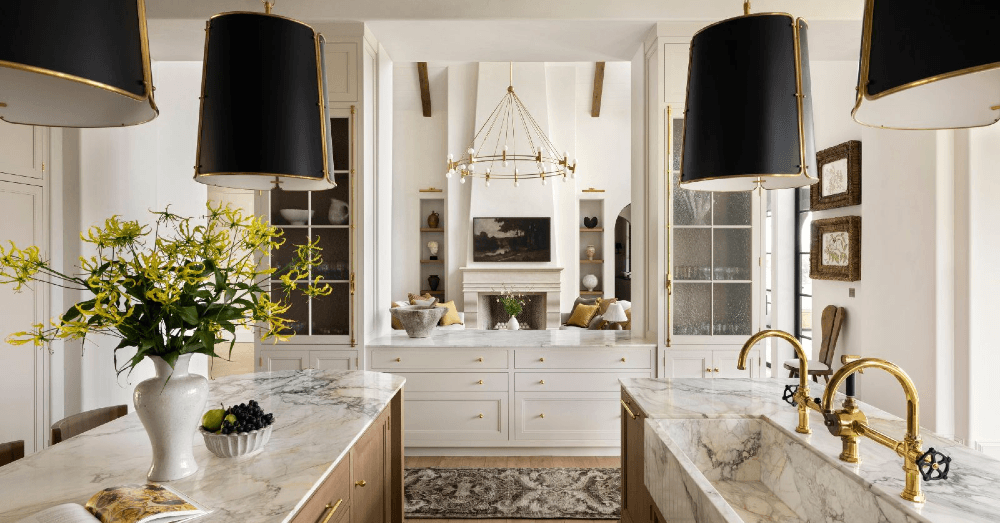
If your kitchen is starting to look like a juggling act of coffee gear, cocktail bottles, glassware, and snack bins, there’s a tidy little fix making the rounds in 2026. It’s called the bantry, a portmanteau of “bar” and “pantry,” and designers are convinced it might be the most useful square footage you can carve out of your home right now.
- A bantry blends the storage of a butler’s pantry with the entertaining vibe of a home bar.
- It works at any scale, from a single cabinet wall to a galley-style room off the kitchen.
- Smart layout, beverage zones, and a little personality are what make it sing.
So, What Exactly Is a Bantry?
As designer Michelle Murphy of Demi Ryan puts it, the bantry is essentially a pantry that has grown up, combining the storage depth of a traditional pantry with the functionality of a prep kitchen or butler’s pantry. The butler’s pantry has deep historical roots. Originally, it was a small room that separated the dining room from the kitchen and stored china, glassware, and silverware. The bantry takes that bones-and-glassware DNA and adds shakers, bitters, a beverage fridge, and maybe a coffee grinder for good measure.
Trends in entertaining have nudged kitchen designers toward a pantry that does double duty, a hybrid designed to hide the clutter of a bar, including bottles, mixers, and cocktail prep tools, behind the easily closed doors of a pantry. The result feels intentional rather than improvised.
Why It Fits How We Actually Live
The appeal isn’t only about hosting. Designer Amy Lee McArdle calls the bantry an evolution of the traditional pantry into a multifunctional extension of the kitchen, part pantry, part bar, part utility hub, that reflects how we’re actually living today. That dual-use logic is exactly why the trend has staying power. Whether you’re in a bungalow in Portland or a colonial in Maryland, a bantry can absorb the daily clutter while still functioning as a stylish drink station for guests.
Designer Katy Anderson points out that a great bantry gets used frequently, not occasionally. Guests on special occasions and family members every day can grab a drink or prep cocktails without disrupting the main kitchen workflow. Mornings handle the espresso routine. Evenings handle the negroni. Dinner parties get a clean staging zone that keeps the main island looking pulled together.
How to Build a Bantry at Any Scale
The good news is you don’t need a gut renovation. What makes the concept work is how unfussy it is. You don’t need a walk-in pantry either, just a bit of space and a smarter plan, with materials, lighting, and layout tricks that make it feel as considered as the rest of the kitchen.
For a small footprint, think a single run of cabinetry with open shelves above a stretch of counter. Stock it with home bar essentials like shakers, jiggers, bar spoons, strainers, and an array of glasses. If you have a bit more room, a galley-style nook between the kitchen and dining room is the sweet spot. For larger homes, the bantry can stretch into a fully built-out room with serious storage planning.
Key features to plan for:
- A secondary sink to keep prep and cleanup out of sight, plus a beverage zone like a coffee station, wine fridge, or both, to create dedicated areas that don’t compete with the main kitchen.
- More electrical outlets than you think you need for blenders, grinders, and small appliances.
- Counter space deep enough to actually mix a drink or plate appetizers.
- A mix of closed cabinets for the chaos and open shelves for the pretty stuff.
Style It Like a Jewel Box
Because a bantry is tucked away, it gives you permission to go bolder than you might in the main kitchen. Lean into a moody paint color, patterned wallpaper, fluted glass cabinet fronts, or a polished marble slab you’d never commit to across a 12-foot island. A bantry lets you loosen up a bit, design-wise. Open shelving might display glassware or collected pieces that would otherwise stay hidden, while richer materials, color, and pattern bring in personality.
Lighting matters too. A small pendant, picture light, or warm under-shelf strip turns the space into a destination at night. Brass hardware and textured tile can punch above their weight in such a compact footprint.
Bringing the Bantry Home
The reason this idea has legs is simple. It solves a real problem (clutter), supports a real habit (entertaining), and looks fantastic doing it. Start by tracking how you actually use your kitchen for a week. Where do the bottles pile up? Where does the coffee mess live? Build the bantry around those answers, not around a Pinterest board, and you’ll end up with a space that earns its keep every single day.
