Every few years, a handful of looks go from fresh to fatigued, and designers are usually the first to notice. As we move deeper into 2026, a few favorites that flooded social feeds are starting to feel tired, and a quieter, more lasting set of choices is waiting to take their place.
- Fluted millwork and tone-on-tone neutrals are showing their age
- Zellige tile and post-modern shapes risk feeling dated fast
- Balance, warm color, and restraint are the smarter long game
Fluted Everything Has Hit Its Ceiling
Fluted millwork was a welcome break from the Shaker doors that ruled kitchens for years, but it’s been used so heavily that it no longer feels special. One designer, Kellie Reynolds of Smith Reynolds Interiors, admits she leaned into fluting herself but now feels it’s been overdone and doesn’t feel as timeless as a thin Shaker or flat-panel door front.
The fix isn’t to swear it off entirely. Skip fluting on the big, fixed features like a kitchen island or full cabinetry, but a fluted accent or two throughout your home still adds visual interest. Think a fluted vanity base, a single console, or a built-in bar front, paired with cleaner surfaces elsewhere.
The Beige-on-Beige Room Is Running Out of Air
Tonal rooms photograph beautifully. Lived in, they can feel a little lifeless. Designer Kanika Bakshi Khurana of Kanika Design points out that while tonal monotony reads as tranquil and refined as a concept, walking back into those rooms months later often produces an emotional flatline. Other pros agree the all-beige look has lost its appeal. One designer calls these untouchable spaces generic and lacking soul, arguing that color and pattern are what make a room feel lived-in and personalized.
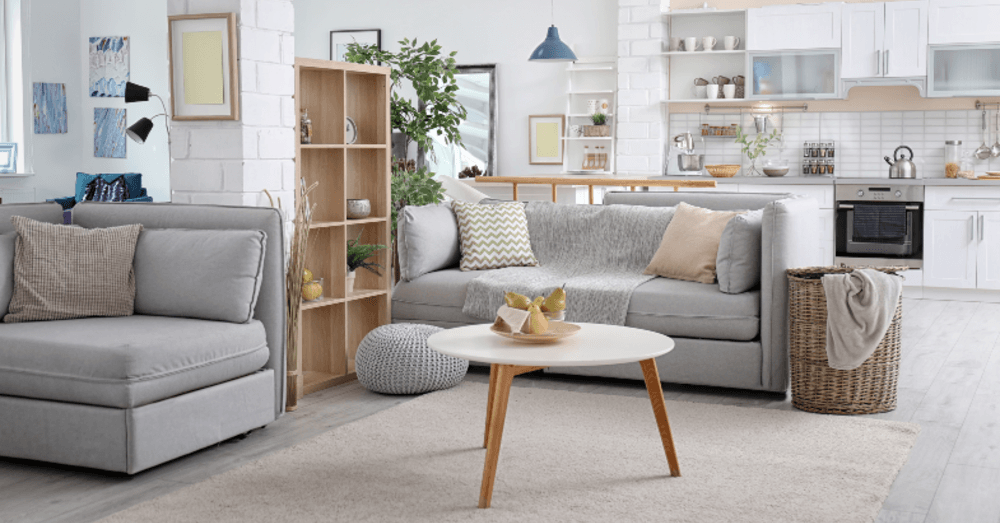
The smarter swap is the “new neutral.” Ultra-cool grays and stark whites are out as defaults, and warmer, richer hues with earthy vibrancy are taking over to add depth and character. Deep ochre, warm cocoa, and rich espresso bring a sense of comfort that flat ivory rooms can’t match. Color drench a single room or layer two or three warm tones together for something that still feels calm but has a pulse.
Zellige and Cottagecore Are Reaching Saturation
Handmade zellige tile earned its fans for good reason, but ubiquity is its enemy. When something shows up that consistently, it starts to lose what made it special, and designer Terri Brien notes that even though zellige is beautifully imperfect, it’s everywhere right now. She compares neutral zellige to the gray trend from years ago, not bad, just very overdone.
If you love the handmade look, consider Delft, hand-painted patterned tile, or a saturated solid in a glossy finish. Cottagecore is in the same boat. Reynolds admits the take isn’t popular, but she thinks cottagecore can be done on a more minimal level, interpreted in a way that feels restrained and clean. Keep the floral wallpaper to a powder room, or pair one cottage element with modern furniture so the room reads collected, not costumed.
Curves, Cartoons, and the One-Trend Trap
A curved sofa is great. Five curved pieces in the same room is a problem. It isn’t a single curvy sofa that makes a space feel passé but using a trend en masse, and the more you lean into any one trend, the faster a room feels dated, says Brien, who notes that balance gives a home longevity.
Post-modernism sits in the same risk zone. Designer Courtney Blanton points to the splashes of color, fun shapes, and cartoon-like furniture having a major moment, and warns history repeats itself, this one has an expiration date. Sprinkle in a single playful piece, like a squiggly mirror or a bright lacquered side table, instead of decorating the whole room around it.
Designing for the Long Haul
The pattern across these picks is restraint. Designers surveyed for the 2026 outlook plan to spend an average of $5,600 on their own makeovers, which is real money to put toward something you’ll actually love in five years. Lean into warm color, mix old and new, and let one or two trend pieces do the heavy lifting instead of the entire room. Spaces that feel layered and collected, telling a story through vintage pieces, textured finishes, and personal elements, beat sterile staged rooms every time. The goal isn’t to chase what’s next. It’s to build a home that still feels like yours when the next trend cycle rolls in.
