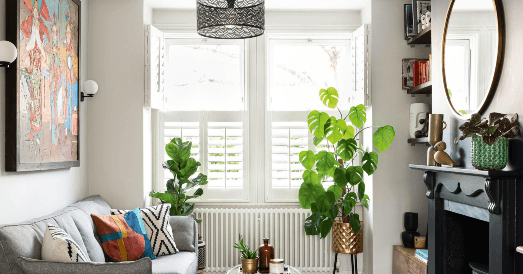
Narrow living rooms get a bad rap, but some of the most charming, well-designed spaces in 2026 are hiding inside floor plans under 500 square feet. Real homeowners keep finding clever ways to make those tricky footprints look twice as big, and their tricks are surprisingly easy to copy.
- Floating one sofa with open space on the opposite side makes a narrow room feel wider instantly.
- Going big on one or two anchor pieces beats filling a room with small clutter.
- Vertical moves like tall shelves, high art, and floor-length curtains pull the eye up and trick the brain.
The One-Sided Sofa Trick
The most repeated layout move in recent home tours is almost counterintuitive. Fewer seats, not more. Putting a sofa on one side and leaving the opposite side open makes the room feel more inviting, even when there are fewer places to sit. One couple in a 1,300-square-foot London rowhome worked with design firm Rainbow Shaker to brighten their drab 1920s house, and the living room ended up making the most of its narrow floor plan thanks to this exact approach. Negative space is your friend, and you can always pull a chair over from the dining table when company shows up.
Go Big, Not Small
It sounds backward, but oversized pieces often shrink a room less than a collection of tiny ones. In one 900-square-foot apartment that somehow fit an upright piano, the owners chose items at the largest scale possible for the square footage, including a big sofa, a big light fixture, a big mirror, and a big rug. Those pieces take up space in a positive way and make the entire room feel larger by working the walls. The Midwest lesson here is familiar to anyone who has tried to wedge a sectional into an old bungalow in Indiana or a rehabbed warehouse loft in Chicago. Scale beats quantity. Two anchor pieces in the right proportion read as intentional. Six small pieces read as cluttered.
Rethink What the Room Is For
Some of the boldest redesigns ignore the original floor plan entirely. Room designations are suggestions, not rules, and that mindset drove the layout behind a tiny Brooklyn apartment. At just 450 square feet, it fits a living room, a petite office, and a dining room that extends to seat 10 people, all thanks to repurposing a needlessly large bedroom and thinking outside the traditional floor plan box. If your “living room” is really just a pass-through hallway, ask whether it should actually be the dining area. That awkward alcove you keep stacking laundry in might want to be the reading nook instead.
Layout Strategies You Can Copy Tomorrow
You don’t need a full renovation to borrow these moves. A few quick wins pulled from recent tours and designer advice:
- Float the furniture. Pull pieces toward the middle of the room, allowing empty space between the furniture and walls. It makes the layout look more balanced and creates a more intimate space that encourages conversation.
- Line the long walls. Long and narrow is tricky, but a room handles it beautifully when the furniture lines the walls and leaves a clear path through the center, which instantly makes it feel more spacious.
- Mirror the window. Mirrors are one of the oldest tricks in interior design, but they work especially well in small apartments. A large mirror across from a window reflects natural light and helps the room feel brighter.
- Lower the seating. Sofas and chairs that sit a little lower to the ground make the ceiling feel taller and the room feel more open. It’s a small design trick, but it makes a noticeable difference in tighter spaces.
- Swap a second sofa for an accent chair. Rather than squeezing multiple couches into a small room, use one sofa and add an accent chair. Accent chairs take up less space, make the room feel less crowded, and give you a chance to add a different texture or color.
Small Details That Carry Big Weight
Texture and storage quietly do heavy lifting in compact rooms. A 500-square-foot London flat leaned on mint green paint on the built-ins, vintage touches, and one-of-a-kind art for a cozy, collected look. The name of the game in the layout was multifunction. A small vintage bistro table added a quirky spot to eat or sip coffee, and the fireplace mantel added a stately element that grounded the entire room. Floating shelves draw the eye up, storage ottomans swallow clutter, and a round coffee table keeps traffic flowing where sharp corners would crowd a walkway.
Make the Narrow Work in Your Favor
The common thread in every one of these makeovers is the same. The homeowners stopped fighting the awkward shape and started designing for it. Pick one anchor piece. Leave real breathing room around it. Use the walls vertically. And trust that a thoughtfully edited small room will always beat a crammed large one.
