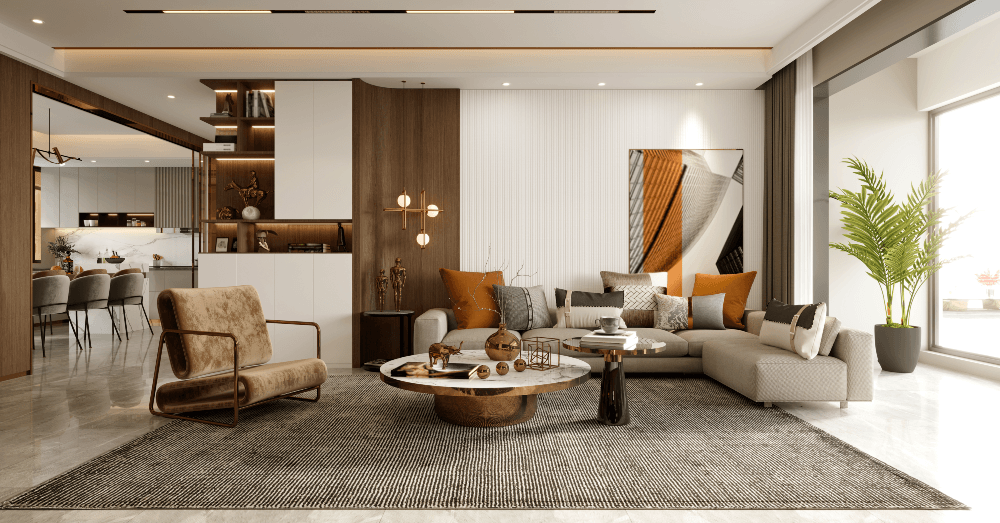
Forget the cold plunge tubs and the Instagram-worthy sauna selfies. In 2026, the biggest shift in home wellness isn’t something you can see at all. Designers across the country are weaving health-boosting features into homes so quietly that most people don’t even realize they’re there. It’s called “invisible wellness,” and it’s quickly becoming the way smart homeowners think about design.
- Residential wellness has gotten a makeover, shifting away from standalone cold plunges and saunas toward something quieter and less visible at first glance.
- Through lighting, color palettes, technology, scentscaping, and furnishings, invisible wellness is woven into interiors to create healthier environments, both mentally and physically.
- The trend is actually less trendy and more timeless, with designers embracing older ideas of living well in new and modern ways.
What Is Invisible Wellness, Exactly?
Designer Jennifer Worts coined the term “invisible wellness,” and other designers working in this space share the same perspective. The idea is pretty simple: when wellness is built into the foundation of a home, it becomes invisible while still carrying real intention behind it. Instead of dedicating a whole room to a sauna or recovery equipment, designers are thinking about how every single room can quietly support the people living in it.
Cold plunges, saunas, and spas are still favorites in the health space, but designers are finding that their clients want a home that just feels right the moment they walk through the door. This shift in wellness design has expanded from a single room to the entire house. Whether you’re renovating a ranch-style home in Lafayette, Indiana or building new in a suburb of Denver, invisible wellness applies to any space and any budget.
Lighting That Follows the Sun
One of the biggest pieces of this puzzle is how light works inside a home. Designers focused on wellness are being more intentional about how they use artificial lighting and frame natural light to mirror the natural rhythms of daylight, keeping it bright and energizing in the morning and warmer and more calming as the day winds down.
Similar to how the Hatch alarm clock wakes people up by mimicking the sunrise, designers are applying that same thinking throughout the entire house and covering the entire day. It’s a surprisingly effective approach. Your body responds to light in ways you probably don’t think about, from energy levels in the morning to how well you sleep at night. Tunable white technology, which adjusts color temperature automatically, is one of the go-to tools making this possible. This technology lets lighting change its temperature throughout the day to match your body’s internal clock, providing crisp cool white in the morning and shifting to warm amber tones in the evening that mimic the sunset and help your body prepare for sleep.
Color, Scent, and Sound
The ways color and lighting show up in a home can truly affect a person’s mood. For a calming space, bright reds and loud yellows won’t help, and bright white lighting can feel more like a doctor’s office than a welcoming home. Designers in 2026 are choosing color palettes based on emotional response, pairing muted earth tones, warm neutrals, and nature-inspired shades to create rooms that feel like a deep breath.
Two other senses play a big part in invisible wellness: scent and hearing. Designers are taking a more thoughtful approach to scentscaping, or “scent stacking,” which involves intentionally layering multiple fragrances throughout a home to create emotional depth and ambiance. Think of it this way: the kitchen might carry notes of eucalyptus and citrus, while the bedroom leans toward lavender and sandalwood. It’s subtle, but it works on your mood in ways that a scented candle alone never could.
Acoustic design is also becoming a trend that’s here to stay. Soft finishes, sound-absorbing wall panels, and thoughtful furniture placement all contribute to a quieter, more restful home. If you’ve ever noticed how much calmer you feel in a room that doesn’t echo, you already understand why this matters.
Nature, Materials, and the Whole-Home Approach
Wood paneling, biophilic connections to nature, and organic materials help spaces feel warmer and more grounding. Products that quietly improve indoor air quality make wellness invisible but foundational, pointing toward homes that feel calmer, support better sleep, and reduce sensory load without announcing themselves as wellness spaces.
Older ideas of living well, like walking paths, bathing rituals, connection to the landscape, and moments of stillness, are being reinterpreted in contemporary ways. The whole idea is rethinking what your home should do for the people living in it, using design choices that quietly work in the background.
Is Invisible Wellness Worth Pursuing?
What makes this trend so appealing is that it doesn’t require a gut renovation or a six-figure budget. Swapping out harsh overhead lighting for tunable bulbs, choosing paint colors that calm rather than stimulate, and adding a few sound-softening textiles can all make a noticeable difference. The whole point is that these changes work behind the scenes.
As homes continue to serve as offices, gyms, classrooms, and gathering spots, making them places that actively support well-being just makes sense. Invisible wellness isn’t flashy, and that’s the whole idea. Your home should make you feel better without you having to think about it.
